Building Process
1. Planning and Initial Consultation
Site Selection: Choosing an environmentally friendly and structurally sound location.
Feasibility Study: Assessing site conditions, potential environmental impacts, and local planning regulations.
Initial Sustainability Goals: Setting carbon footprint targets, energy efficiency objectives, and use of renewable materials.
Budget and Financing: Estimating costs and exploring green building grants or funding.

2. Architectural Design
- Initial Concept Design
- Material Selection
- Energy Efficiency Planning
- Detailed Plans
3. Legal and Regulatory Requirements
- Planning Permission
- Building Regulations Approval
Construction Phase
4. Pre-Construction
Site Preparation: Clearing, grading, and preparing the land for construction with minimal environmental impact.
Ordering Materials: Ensuring ethical sourcing and timely delivery of sustainable materials.
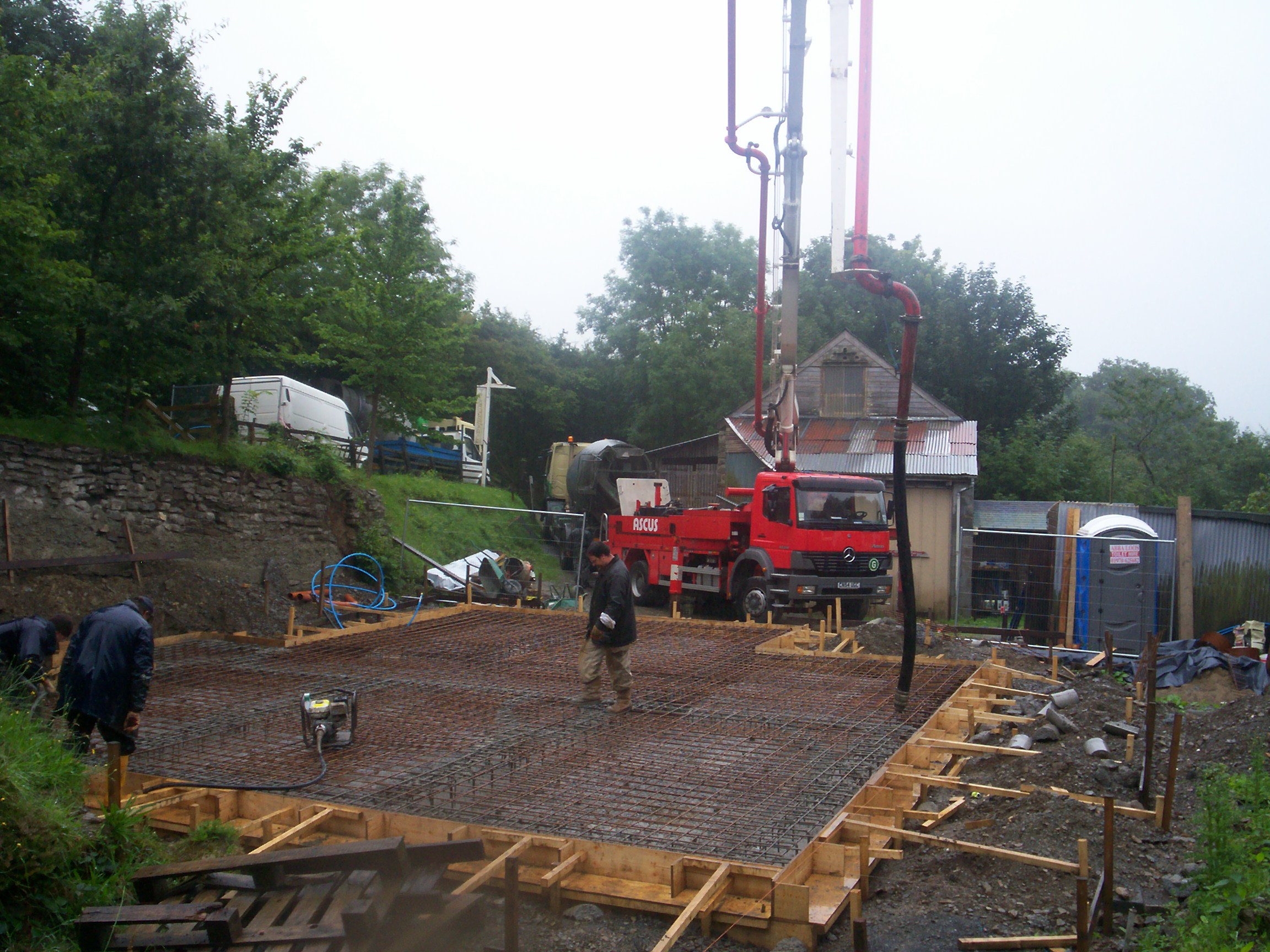

5. Construction process
Foundation and Groundwork: Focus on thermal insulation and water management.
Structural Framework: Use of timber, steel, or other sustainable materials.
Building Envelope: Insulation, airtightness, and eco-friendly roofing.
Mechanical, Electrical, and Plumbing (MEP): Installing efficient heating, ventilation, and water systems.
Renewable Energy Installation: Solar PV, battery storage, and heat pump systems.
Waste Management: Picking up recycling and disposal of construction materials responsibly.
6. Interior Finishes and Sustainability Features
Flooring, Walls, and Paints: Use of VOC-free materials and eco-friendly paints.
Lighting: LED and energy-efficient fixtures.
Water Conservation: Smart taps, greywater systems, and efficient toilets.
Smart Home Technologies: Systems for monitoring and optimising energy and resource usage.
7. Post-Construction and Handover
Quality Assurance: Detailed inspections and sustainability performance assessments.
Energy Performance Certificate (EPC): Ensuring A or B rating for optimal efficiency.
Handover and User Training: Educating homeowners on how to maintain their sustainable features.
Warranty and Maintenance: Ensuring coverage for key systems and green installations.
